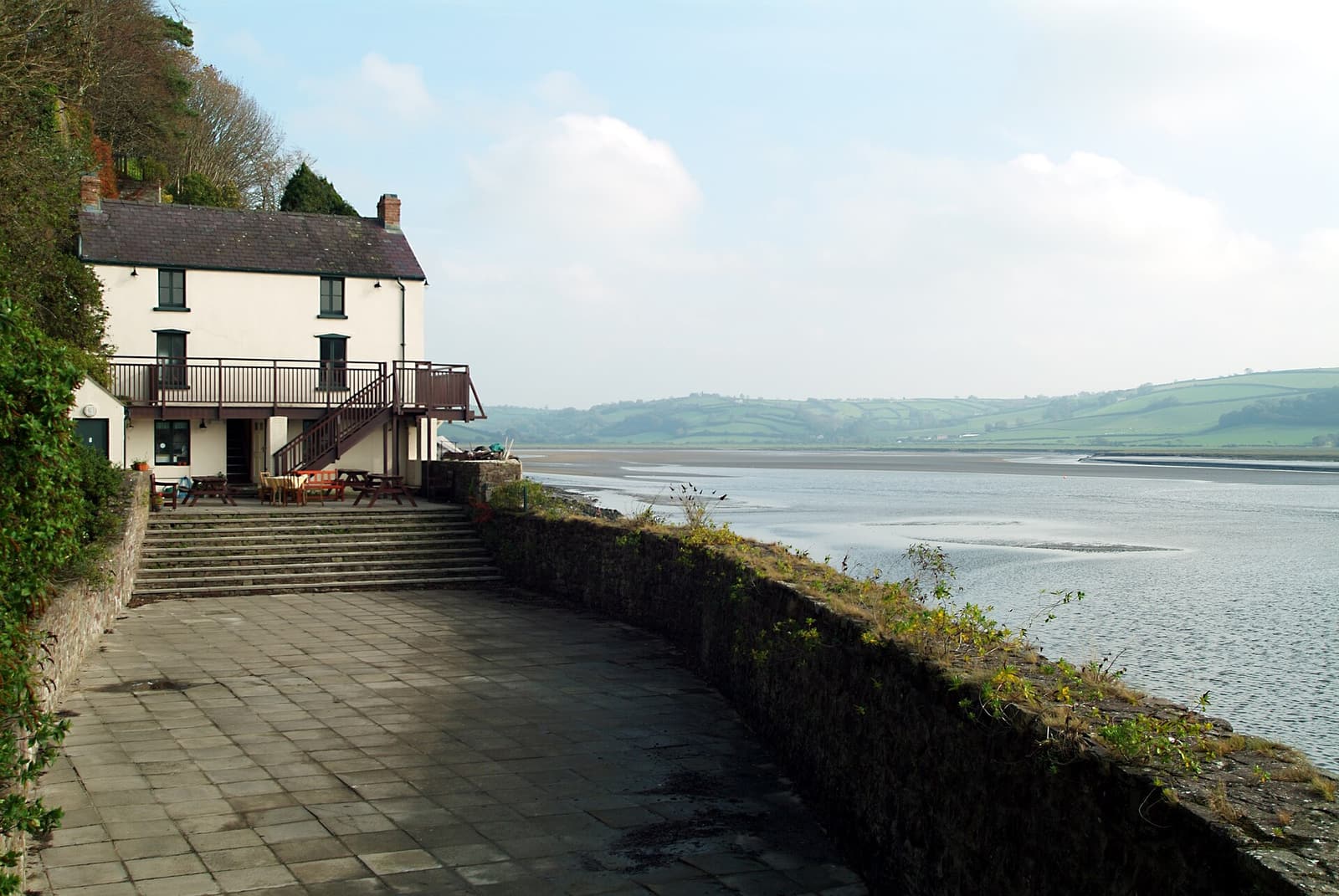
Laugharne (say “Larn”) lies about 40 miles west of Swansea on the estuary of the River Taf. Dylan Thomas first came here in the 1930s, married into it, and from 1949 until his death in 1953 lived with his family in the Boathouse, a small white house wedged between the cliff and the tide. He called it “the strangest town in Wales”, and it is widely thought to have been a model for Llareggub in Under Milk Wood.
It remains a small, slightly eccentric place of Georgian houses, a ruined castle and enormous estuary skies — and the natural last stop on a Dylan Thomas trail that begins at his birthplace in Swansea.
Top things to do: Laugharne
Visit the Boathouse
The family home is now a small museum with original furniture, photographs and a tearoom whose terrace hangs over the estuary. Opening hours are seasonal, so check ahead.
Look into the writing shed
On the lane above the Boathouse stands the old garage where Thomas worked each afternoon, left as if he had just stepped out: table, crumpled drafts, pictures pinned to the wall. Here he wrote “Do not go gentle into that good night” and much of Under Milk Wood.
Laugharne Castle
A medieval fortress turned Tudor mansion on the shore, in the care of Cadw (seasonal opening, admission charge). Thomas wrote in the gazebo in its garden.
Brown’s Hotel and St Martin’s churchyard
Brown’s was the poet’s local and the phone number he gave out as his own. He and his wife Caitlin lie in the overflow graveyard of St Martin’s church under a plain white cross. The two-mile Dylan’s Birthday Walk on Sir John’s Hill follows his “Poem in October”.
How to get to Laugharne
- By car: about an hour from Swansea — M4 and A48 to Carmarthen, A40 to St Clears, then the A4066 south.
- By public transport: train from Swansea to Carmarthen (around 45–50 minutes), then a local bus to Laugharne. Services are infrequent; check times and plan the return.
Insider tips
- Combine Laugharne with the vast Pendine Sands, five miles further on, or with the National Botanic Garden of Wales on the way back.
- The foreshore car park below the castle floods at very high tides — heed the signs.
- Laugharne is quiet in winter and some attractions close; spring to early autumn is best.
- The Laugharne Weekend, a small literature and music festival, usually takes place in spring.
Best tours & tickets for Laugharne
These top-rated experiences are the easiest way to see Laugharne with a guide:
 Day tour from £87
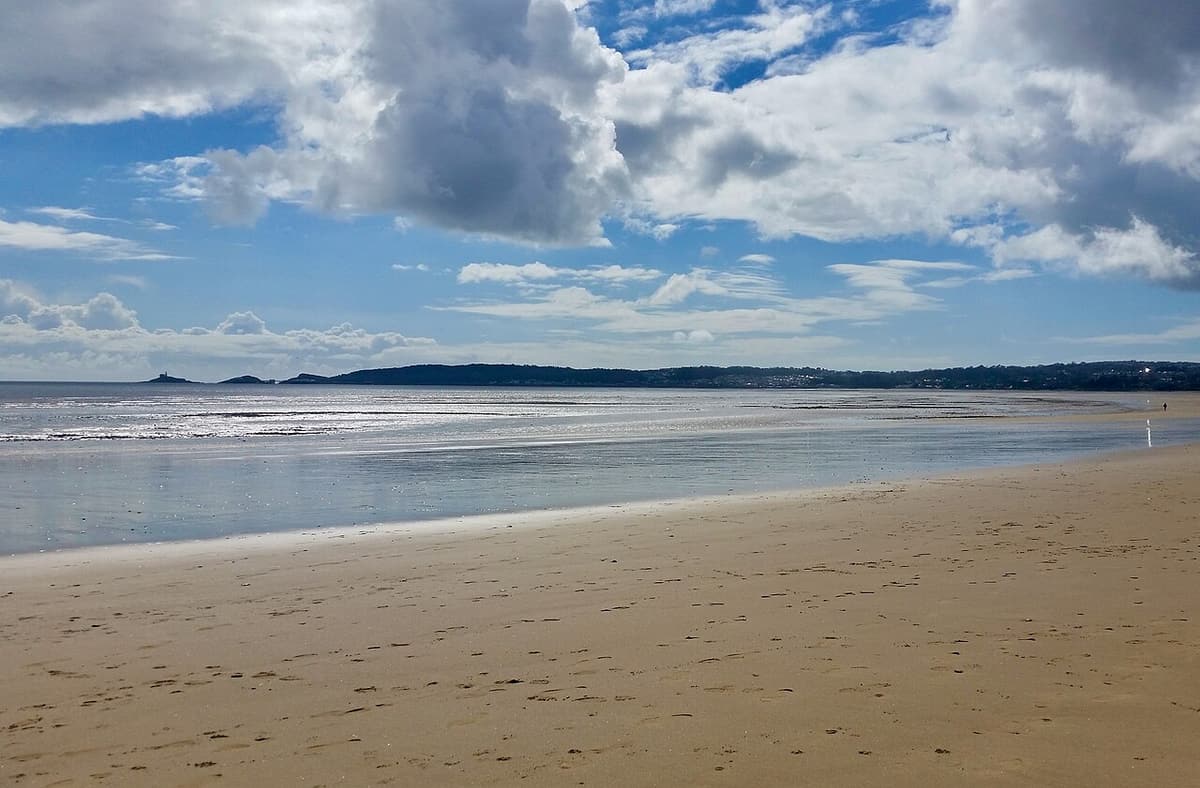
 From Cardiff: The Wandering Bard’s Swansea Bay Day Tour
A full-day tour from Cardiff that takes Swansea Bay as its theme rather than treating it as a stop on the way to somewhere else. See the listing for the exact itinerary.
- A day tour built around Swansea Bay itself
- Small operator, strong early reviews
- Transport from Cardiff included
 Walking tour
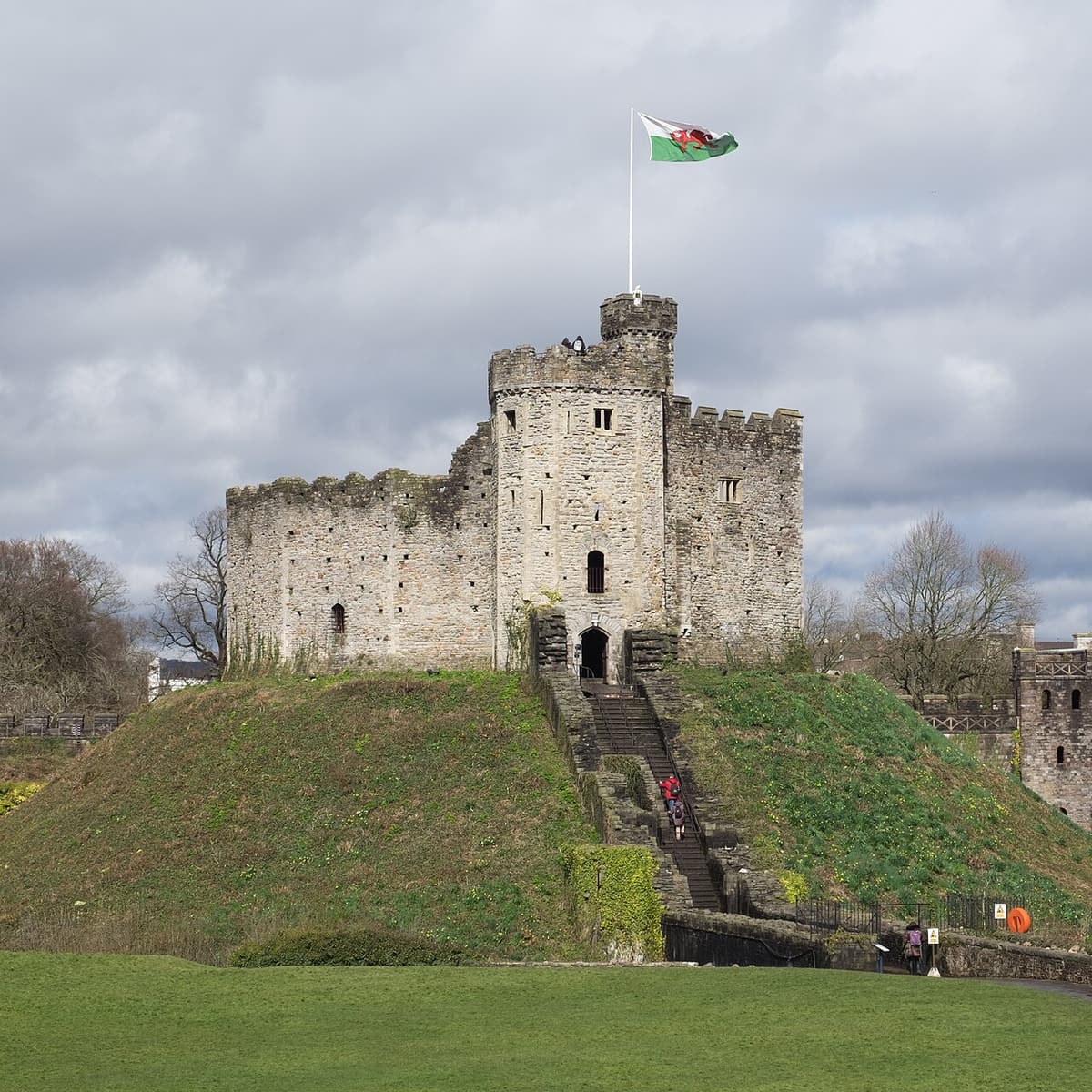
 Cardiff: City Highlights Guided Walking Tour
Many visitors reach Swansea Bay through Cardiff. If you have half a day there, this well-reviewed two-hour walk covers the castle, the arcades and the stadium before you take the 55-minute train west.
- The Welsh capital’s main sights in two hours
- Well reviewed and inexpensive
- Easy to combine with the train to Swansea