Swansea is the western end of the South Wales main line and sits just off the M4 motorway, 40 miles (65 km) west of Cardiff and about 190 miles (305 km) west of London. For most visitors from Britain and the Continent the choice is simple: the direct train from London, or the motorway.
Journey times and frequencies below are typical at the time of writing. Timetables and fares change — always check with the operator before you travel.
The options, compared
| Route | Time (approx.) | How often | Best for |
|---|---|---|---|
| Train London Paddington → Swansea | 2 h 45 – 3 h, direct | About hourly | Most visitors from London and the Continent |
| Train Cardiff Central → Swansea | 50–60 min | Two or more per hour | Anyone already in Wales; Cardiff Airport arrivals |
| Car from London via the M4 | 3.5–4 h (190 miles) | — | Families, and anyone touring Gower |
| Coach London Victoria → Swansea | 4.5–5.5 h | Several a day | The lowest fares |
| Cardiff Airport → Swansea | 1 h by car; about 1.5–2 h by bus/train | — | Flights from Amsterdam, Dublin and holiday routes |
| Bristol Airport → Swansea | 1 h 45 by car; 2.5–3 h by bus and train | — | The widest choice of European flights |
| Ferry Rosslare → Fishguard / Pembroke Dock | 3.5–4 h crossing + 1.5 h drive | Daily | Visitors from Ireland with a car |
By train
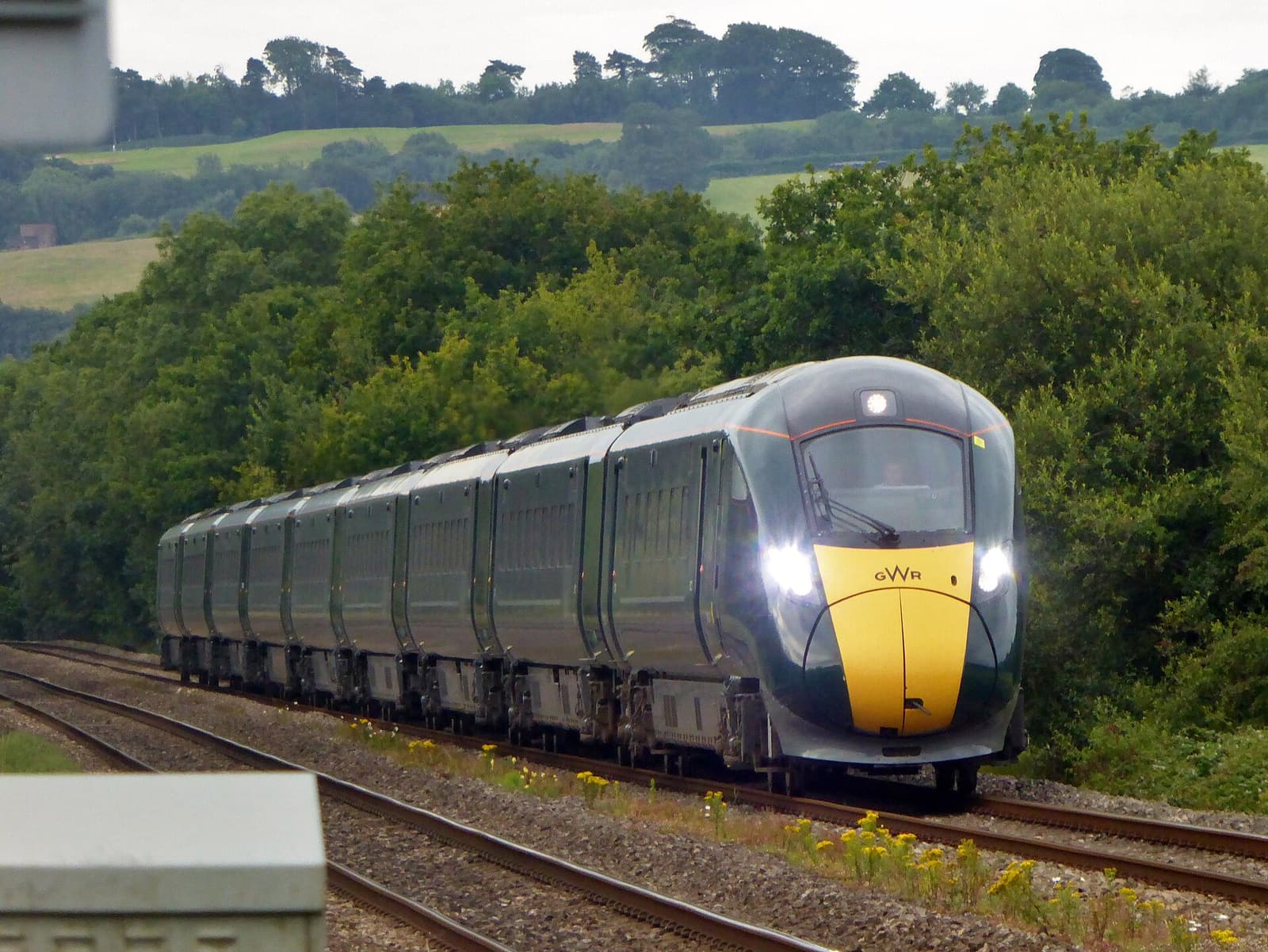
Great Western Railway (GWR) runs direct intercity trains from London Paddington to Swansea roughly every hour, calling at Reading, Bristol Parkway, Newport, Cardiff, Bridgend, Port Talbot and Neath. The journey takes a little under three hours. Advance tickets bought a few weeks ahead are much cheaper than walk-up fares, and railcards cut a third off most tickets.
Transport for Wales runs local and regional services: frequent trains from Cardiff, direct services from Manchester via Shrewsbury and Hereford (about four and a half hours), and the slow, scenic Heart of Wales line from Shrewsbury. Trains continue west from Swansea to Carmarthen, Tenby and Pembrokeshire.
Swansea station is on High Street, a 10–15 minute walk or a short bus ride from the city centre, bus station and marina.
From continental Europe by rail
Eurostar trains from Paris, Brussels and Amsterdam arrive at London St Pancras. From there it is about 15 minutes on the Underground (Hammersmith & City or Circle line) to Paddington. Paris to Swansea in a day is entirely realistic.
By car
The M4 runs from London to South Wales, crossing the Severn on the Prince of Wales Bridge (toll-free since 2018). For Swansea city centre leave at junction 42 and follow the A483 (Fabian Way); for Mumbles and Gower, junction 47 and the A483/A4216 avoid the centre. From the Channel ports, allow about five hours from Dover or the Eurotunnel terminal at Folkestone, traffic permitting.
- Drive on the left. Speed limits are in miles per hour, and the default limit in built-up areas in Wales is 20 mph.
- Road signs are bilingual. Araf painted on the road means “slow”.
- Gower’s lanes are narrow, with passing places, and sheep, cattle and ponies wander freely on the commons.
- Beach car parks on Gower charge by the day and fill by mid-morning on sunny weekends and in school holidays.
By air
Cardiff Airport (CWL), about 45 miles (72 km) east, is the closest, with a limited range of European routes. From the airport, take the bus or the shuttle and train into Cardiff Central and change for Swansea.
Bristol Airport (BRS) has far more flights across Europe. The Airport Flyer bus runs to Bristol Temple Meads station, where you take a train to Swansea, usually with a change at Cardiff or Bristol Parkway.
London Heathrow is the long-haul gateway: take the RailAir coach to Reading and join the Swansea train there, or a direct coach to Swansea. Allow three to three and a half hours.
By coach
National Express and other long-distance coach companies link Swansea bus station with London, Heathrow, Bristol, Birmingham and Cardiff. Coaches are slower than the train but often much cheaper, especially at short notice.
By ferry from Ireland
Ferries from Rosslare sail to Fishguard and Pembroke Dock in Pembrokeshire, each about an hour and a half’s drive from Swansea; both ports also have rail connections.
Getting around Swansea Bay
Buses
Everything radiates from Swansea bus station, beside the Quadrant shopping centre. Frequent city buses run along the bay to Mumbles (20–25 minutes). Gower services run to Caswell, Parkmill (for Three Cliffs Bay), Oxwich, Port Eynon, Rhossili and Llangennith; they are reasonably frequent in summer, sparse in winter and on Sundays. Day tickets are good value. Plan journeys on Traveline Cymru, and always note the time of the last bus back.
On foot and by bike
The city centre, marina and beach are compact and flat. The seafront promenade to Mumbles is one of the best urban cycle rides in Britain, and bikes can be hired locally.
Taxis and tours
Taxis are easy to find at the station and bus station; a ride to Mumbles costs far less than you might expect, a ride to Rhossili considerably more. If you want to see several Gower beaches in a day without driving, a guided tour is usually better value than taxis.
Do you need a car?
Not for Swansea and Mumbles. For Gower a car gives freedom — especially for the north coast and for sunsets — but buses reach all the famous beaches. For waterfall country and Laugharne a car or a tour is close to essential. A good compromise is to arrive by train and hire a car in Swansea for a day or two.